Sauna and infrared cabin:

Understanding differences and advantages

Heat has been used for thousands of years to alleviate a wide range of physical and mental ailments. Saunas and infrared cabins are popular wellness options known for their therapeutic and relaxing effects. However, there are significant differences between the two. Here is a concise comparison—temperature, effects, tolerance, preheating time, and power consumption—to help you decide which heat treatment is best for you.
  • Effect
  • Compatibility
  • Temperature range
  • Preheating time
  • Electricity consumption
Sauna and Infrared Cabin - Physiotherm

Comparison of sauna and infrared cabin

Application information Physiotherm infrared
with low-temperature infrared technology
Sauna
Temperature 27°C to maximum 40°C 50°C to 100°C
Preheating time approx. none, ready for immediate use up to 1 hour
Duration of application 20-40 minutes 10-15 minutes
2-3 repetitions
Frequency of use daily possible maximum 2 times per week recommended
Health Considerations &Effects
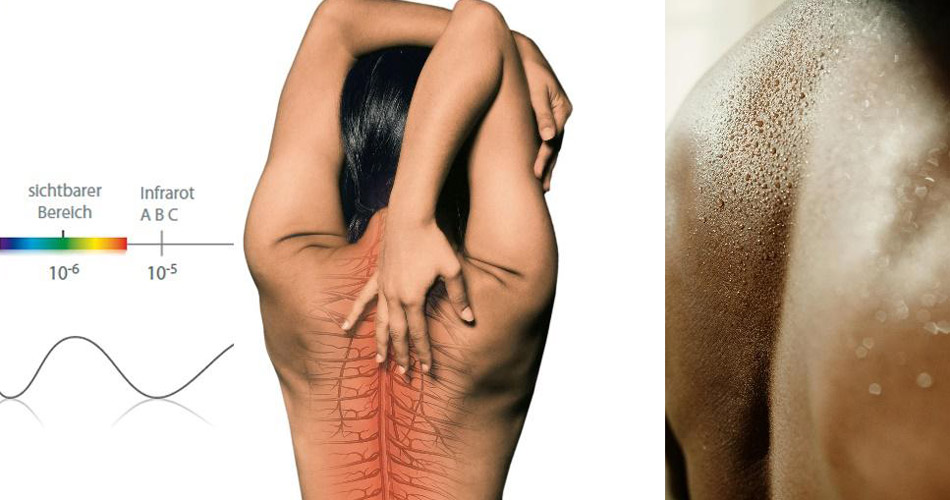
  • Deep heat effect (= direct heat input via the spine) Heat transfer through electromagnetic radiation = heated fluids, blood and lymph
  • No circulatory strain, sweating at temperatures close to body temperature
  • Sweating from the inside out
  • Can be used from infancy to old age. Also suitable for people with restricted mobility.
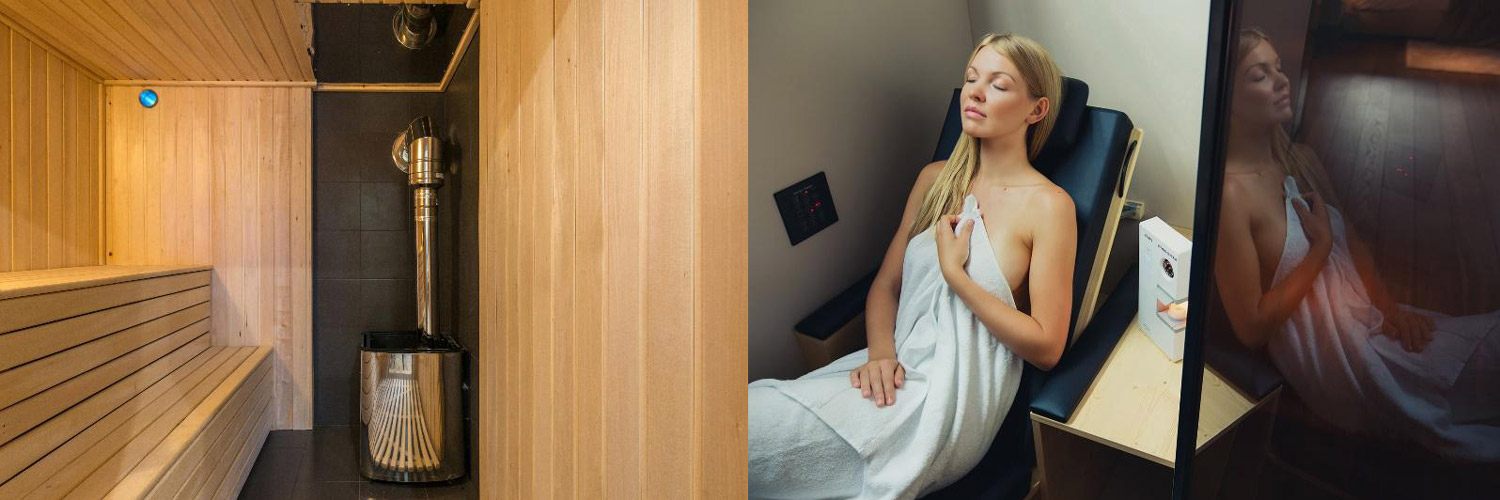
  • Heat transfer through heated air - convection heat through hot air circulation and the direct effect of very hot air on the outer skin layer.
  • Circulation compatibility required, as very high temperatures
  • Not suitable for children under 6 years of age
Electricity consumption and operating costs Examples of electricity consumption
for an application of 45 minutes at an electricity price of 15 cents/kWh or 22 cents/kWh.
1-person cabin: approx. 1,400 watts - 1.050 kWh - €0.16 per application (or €0.23)
2-person cabin: approx. 1,500 watts - 1.125 kWh - €0.17 per application (or €0.25)
10 times higher operating costs compared to the Physiotherm cabin

Sauna - stimulation and thermoregulation of the body:

Sauna applications generally take place between around 50°C and 90°C, i.e. always above the thermoneutral zone. The aim of the correct use of sauna & co. is not to warm the body, but to trigger more or less strong stimuli on the vegetative system and the skin.

In the sauna, for example, the body absorbs more heat over its entire surface via conduction, convection (hot air) and infrared C radiation than it can release. Although the air is dry, its temperature is very high. The vapor pressure is therefore higher than that which the skin can build up. The sweat produced cannot evaporate, drips off and does not generate evaporative cooling. More and more blood is sent to the skin for cooling and less and less blood is available for the central circulation.

The cardiovascular load increases massively. If you leave the sauna in time, the blood in the skin cools down and is gradually made available to the circulatory system again. Whether a whole-body heat application is carried out at 50°C or 100°C makes no difference in terms of the heat regulation principle, although it does make a difference in terms of degree. An air temperature of over 50°C can be tolerated for up to an hour.

Infrared cabin - thermoneutral zone:

Sauna and Infrared Cabin - Physiotherm

Soothing low-temperature infrared technology

In low-temperature infrared technology, the body is in a thermoneutral zone (at approximately 30°C)—which in itself does not constitute a heat application. The actual transfer of heat occurs through only about 10 to 12% of the skin. In the thermoneutral zone, the body can release more heat to the environment via convection and radiation than it receives. If this is not sufficient, sweating begins.

Sweat evaporates and cools

However, sweat can evaporate and cool the skin—as evidenced by the rise in humidity inside the cabin. If heat continues to be applied, over time more sweat is produced than can evaporate. Even with low-temperature infrared technology, sweat eventually begins to drip. This type of infrared application is gentle on the cardiovascular system and can, among other things, contribute significantly to pain relief, muscle relaxation, and mental well-being.

Detoxify and purify

Sweating is one of the “eliminatory” methods (detoxification, purification) used in naturopathy. Sweat is formed from blood plasma, and the body naturally seeks to use this process to rid itself of potential toxins. From this perspective, it makes sense to prioritize warming treatments, as they significantly improve the flushing of the intercellular spaces (matrix) in the body’s outer tissues (muscles, connective tissue, joints, and adipose tissue).

Relaxation and mental rejuvenation

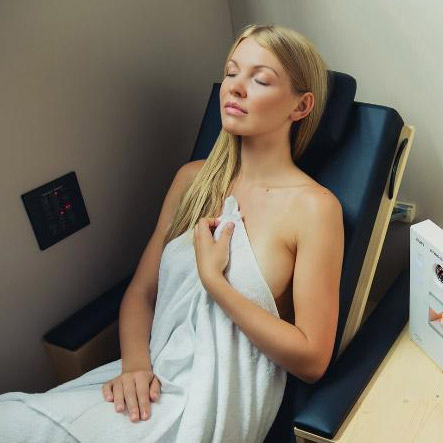
In addition to the beneficial physical effects of infrared therapy, relaxation and the calming of the autonomic nervous system—achieved through a complementary light bath, soothing sounds, and the comfort of sitting or lying on ergonomically shaped surfaces—play a major role in promoting emotional balance and mental relaxation.

To summarize:

Although both saunas and infrared cabins offer significant health benefits, the choice depends on personal preference, space and cost considerations and health goals.

Physiotherm Consultation

We'll help you choose the right infrared heating solution—because your HEALTH is what matters!

We’ll answer all your questions. Schedule a brief, no-obligation consultation with our experts to learn more about model selection, how the system works, and available options.

Tip for existing saunas:

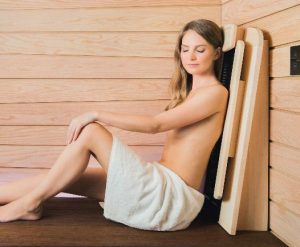
If you have a traditional sauna and would also like to enjoy the benefits of infrared applications, or if you cannot decide between a sauna and an infrared cabin, we recommend the Physiotherm sauna upgrade - the retrofittable infrared element for your sauna.
Sauna and Infrared Cabin - Physiotherm

Want to find out more?
Contact us and we will be happy to inform you in detail about the best heat for your health.